

Designing Play Spaces That Grow With Children
Outdoor play spaces should reflect how children use and benefit from play at different stages of development. Age-appropriate design boosts engagement, supports physical and social development, encourages positive behaviour, and creates safer, more inclusive environments.
By thinking carefully about EYFS, KS1, and KS2 needs separately, schools can ensure every child has access to the right kind of challenge and stimulation for their stage of development.
EYFS Playground Considerations (Ages 3–5)
Key Needs:
- Low-level equipment for early motor skill development
- Sensory-rich environments to encourage exploration
- Open-ended and imaginative play opportunities
- Clear visibility to support supervision
- Social spaces for cooperative play
At this stage, play supports physical growth, communication skills, confidence, and early social interaction.
Supports early motor development, confidence, and sensory exploration.
Encourages social interaction and imaginative play.
Suitable Playground Features for EYFS:
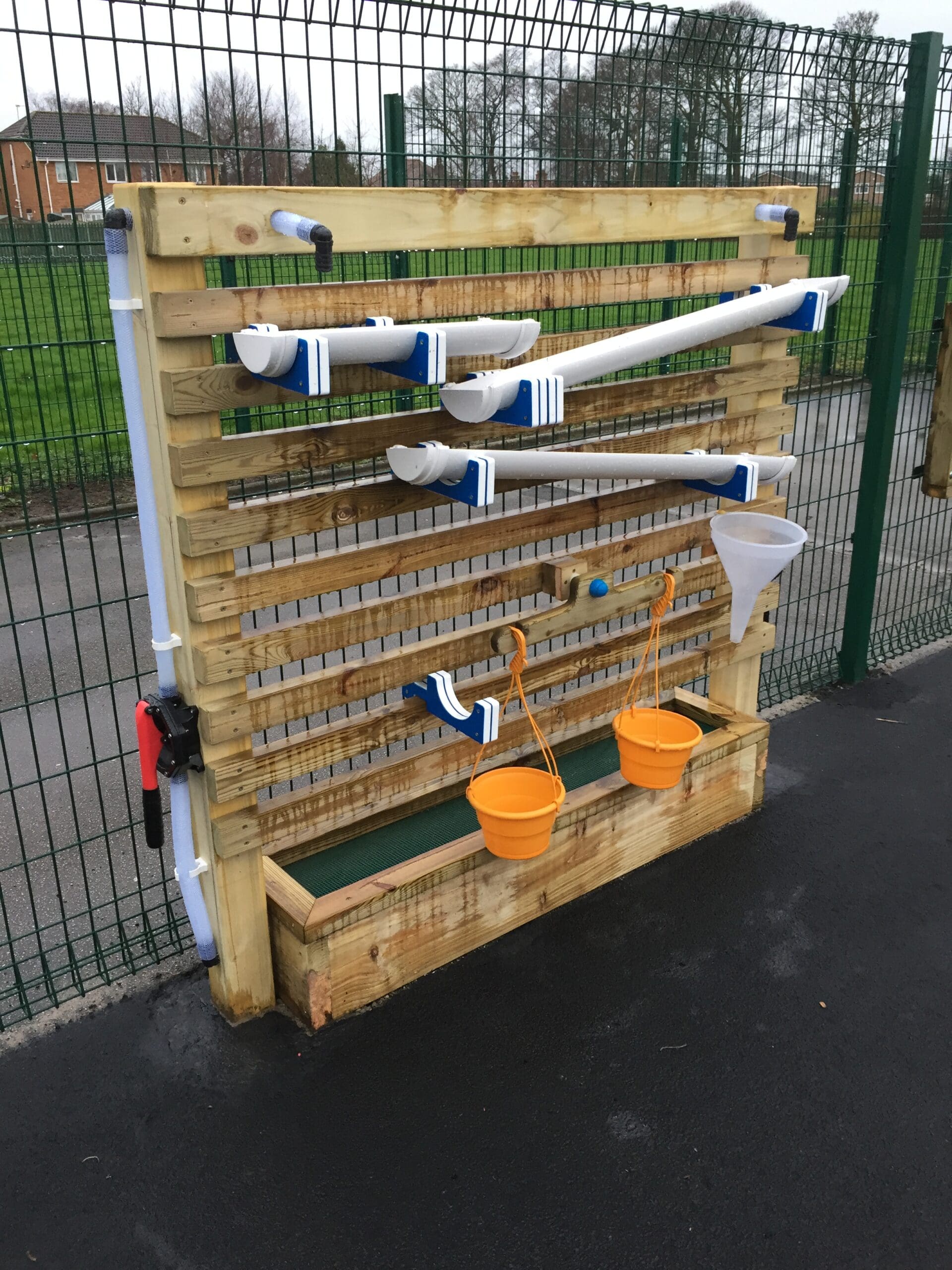
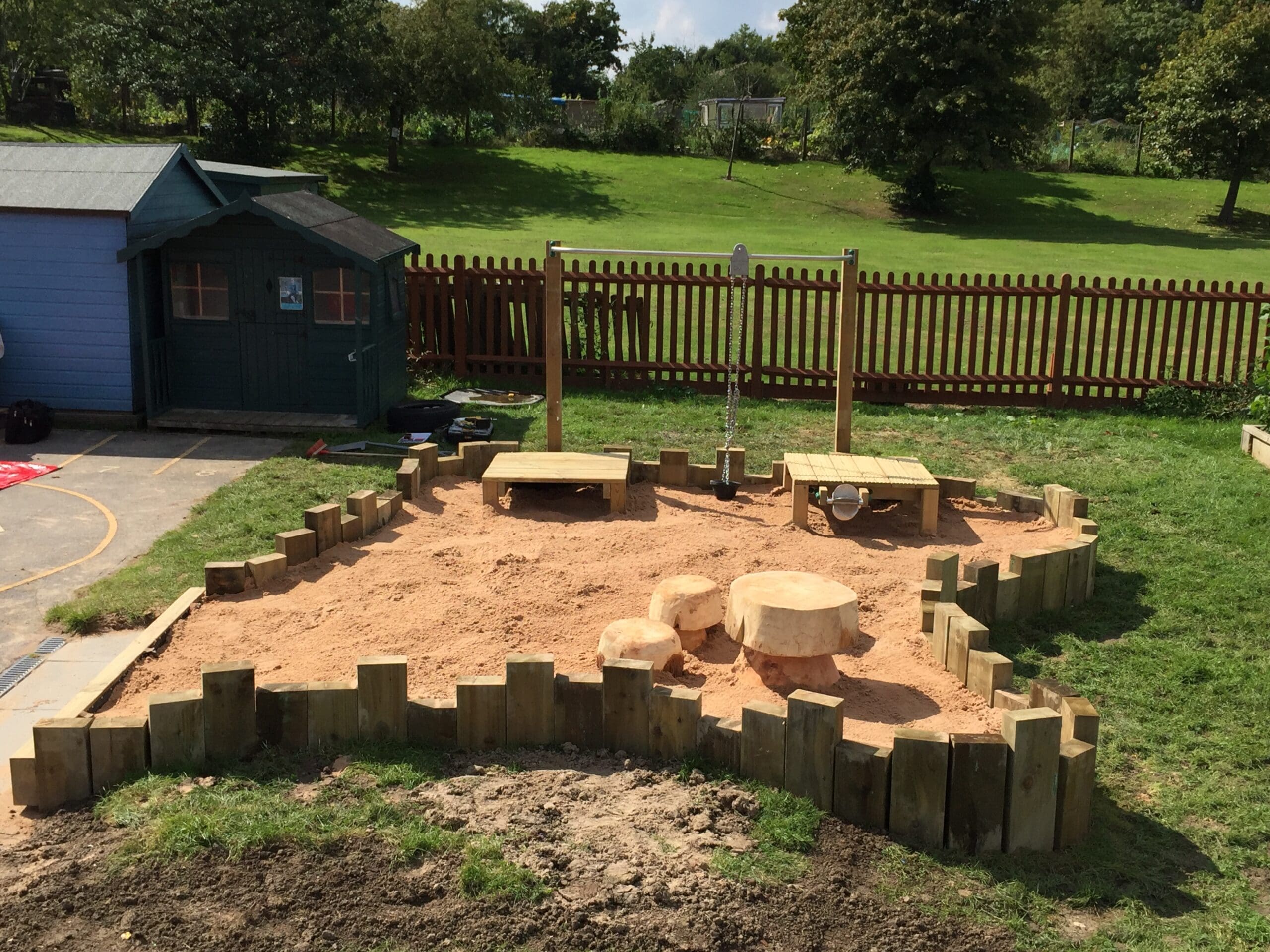
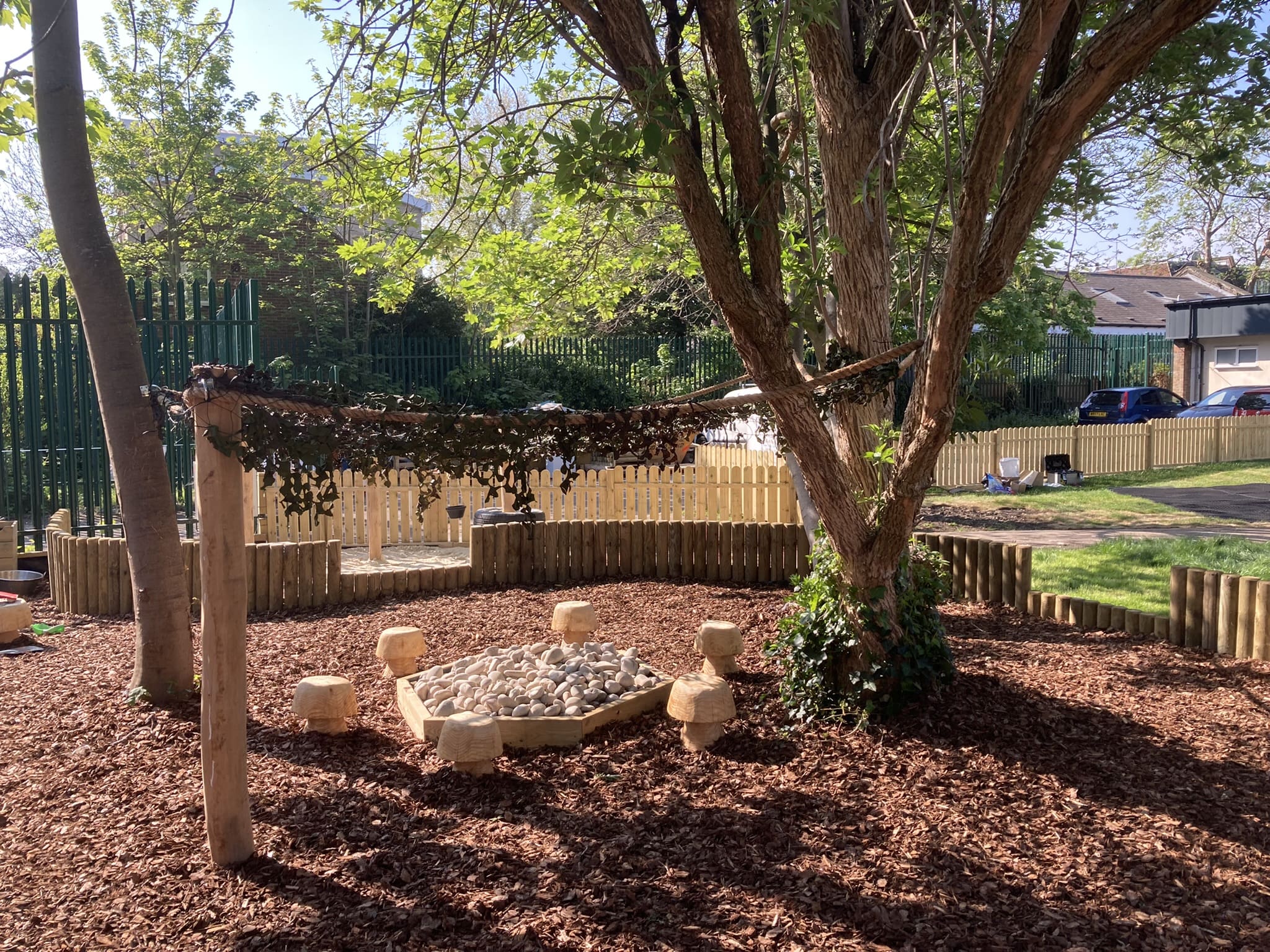
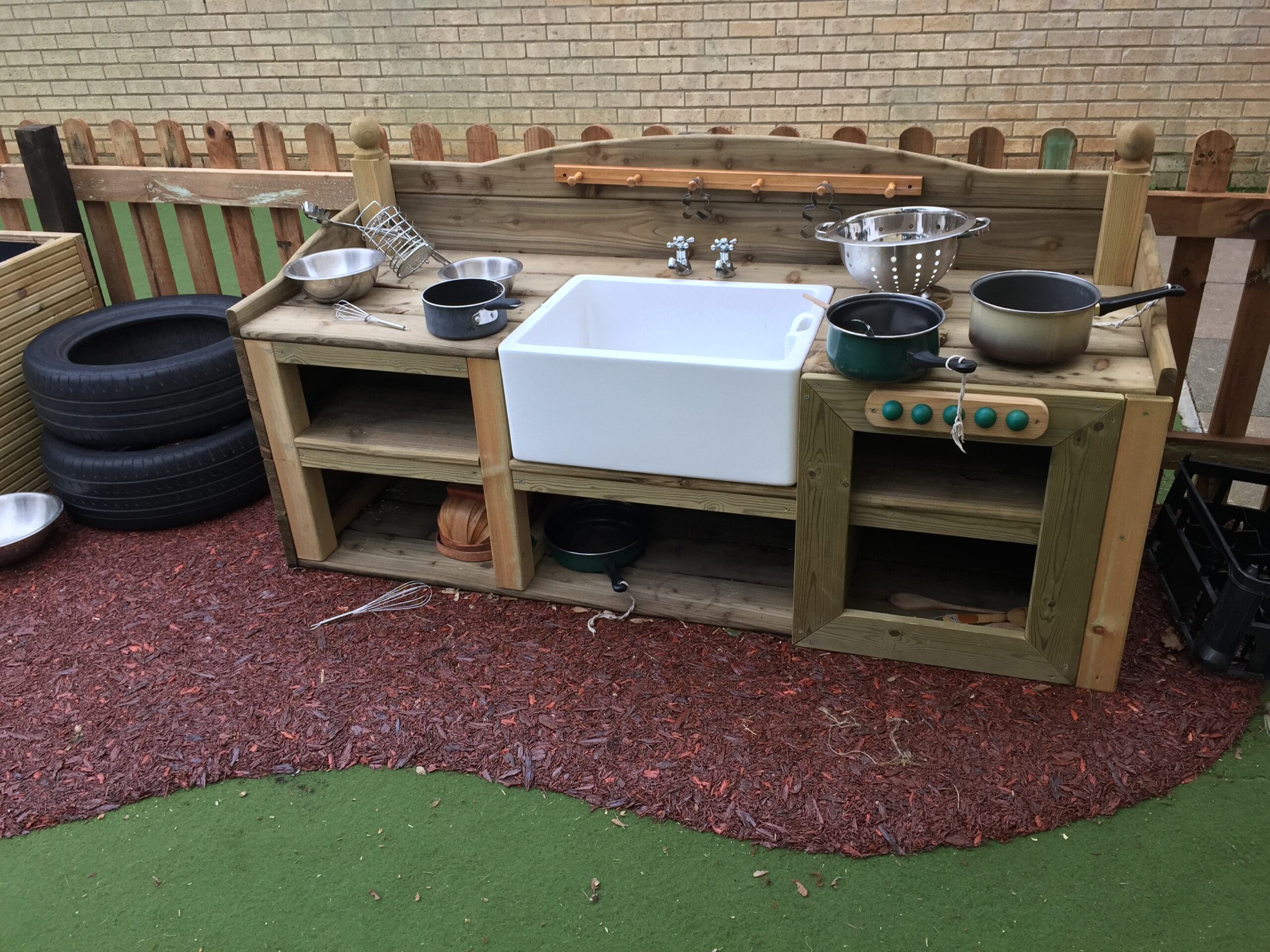
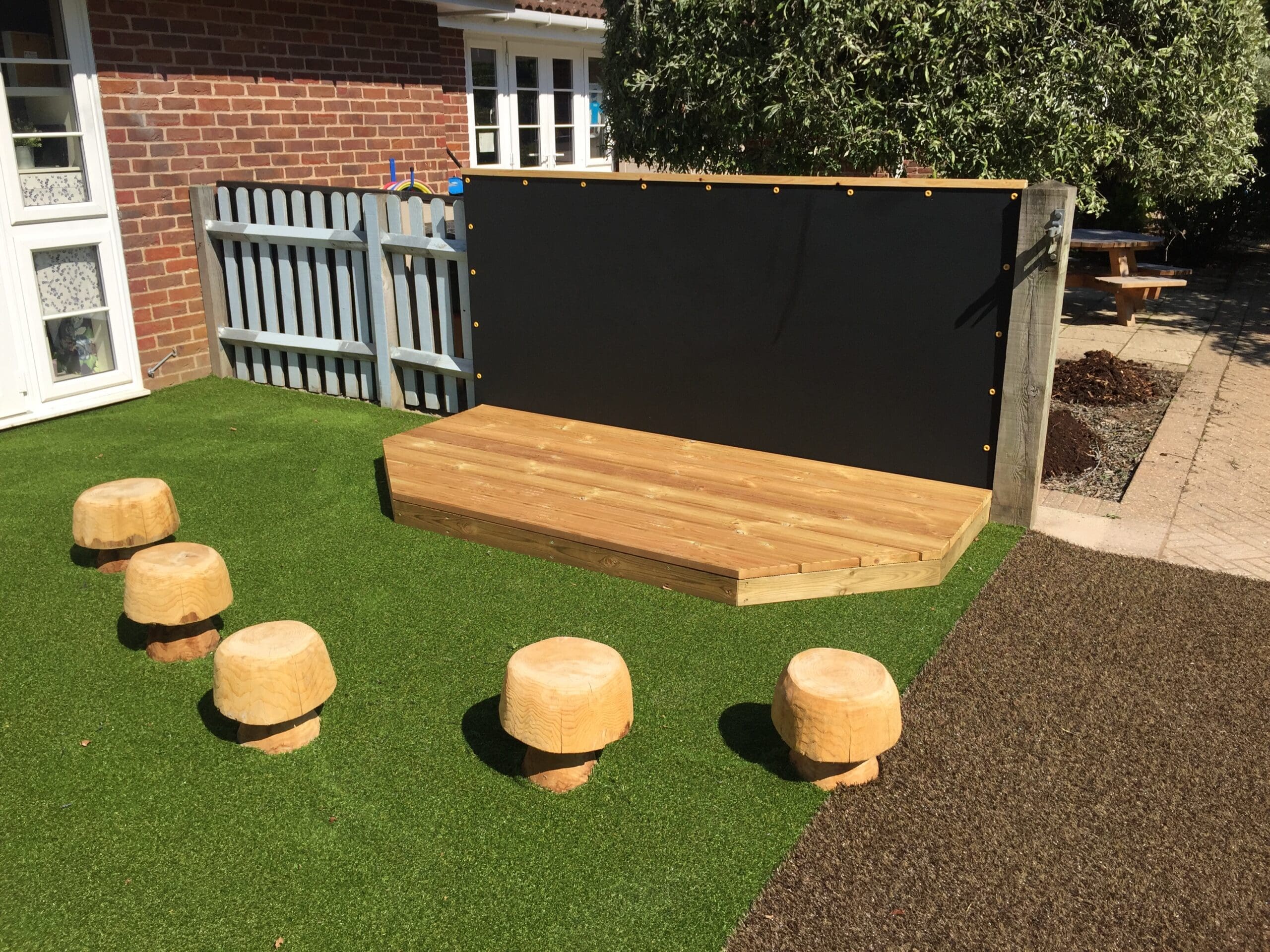
Suitable playground features for EYFS include our Sun range climbing structures with low-level platforms, slides, and ramps, alongside mini fitness trails, timber playhouses, and water and sand play. Educational and sensory play panels, as well as performance stages, further support imaginative play, social interaction, and early development.
Favourites from our range for EYFS:

KS1 Playground Considerations (Ages 5–7)
Key Needs
- Opportunities for climbing, balancing, and movement
- Social spaces for group play and games
- Equipment that builds coordination, resilience, and independence
- Clear zones to help children manage space safely
At this stage, children are developing confidence, independence, and an understanding of risk while refining motor skills.
Builds coordination, balance, and problem-solving skills.
Encourages independence, cooperation, and healthy risk-taking.
Suitable Playground Features for KS1:
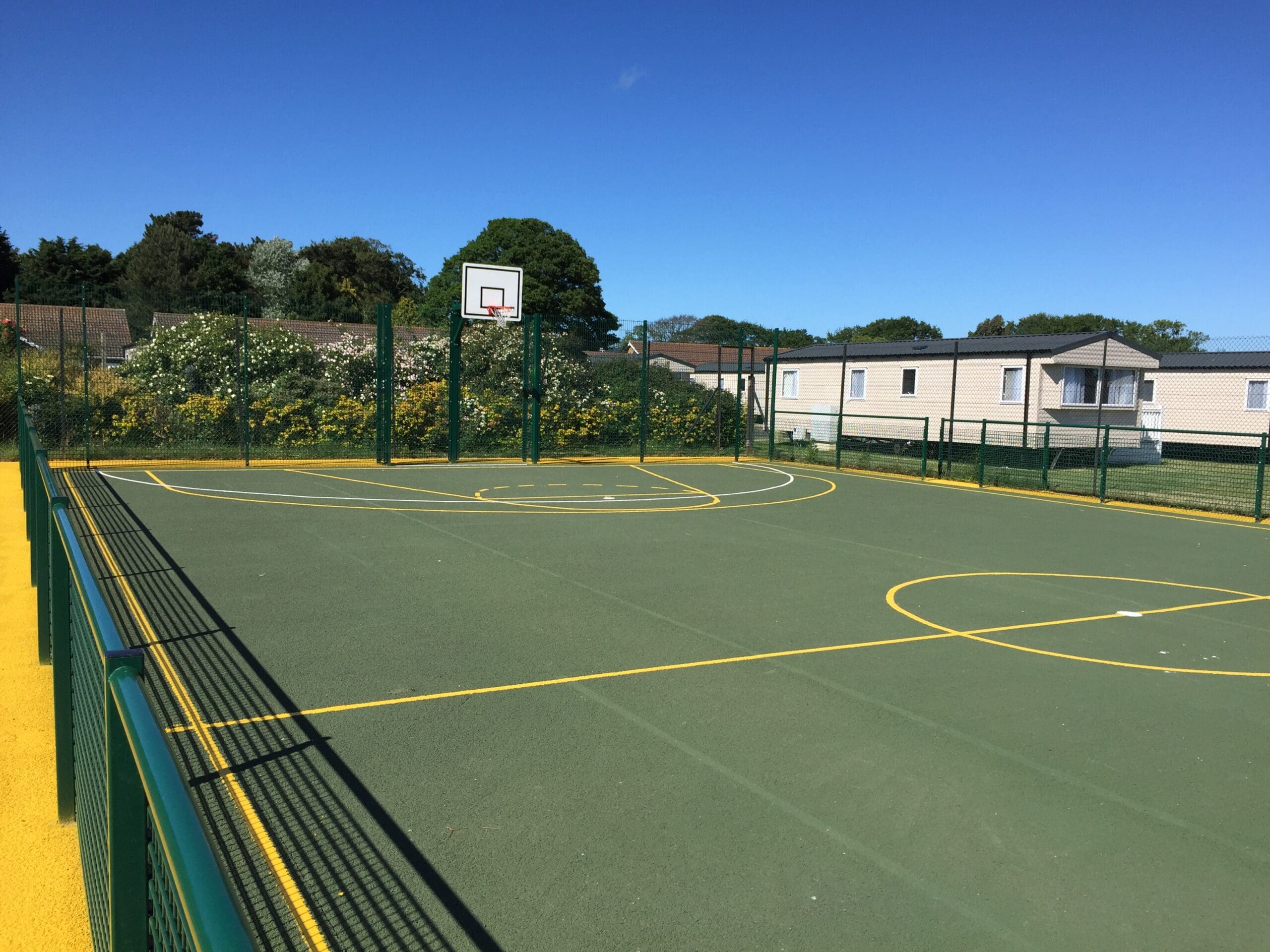
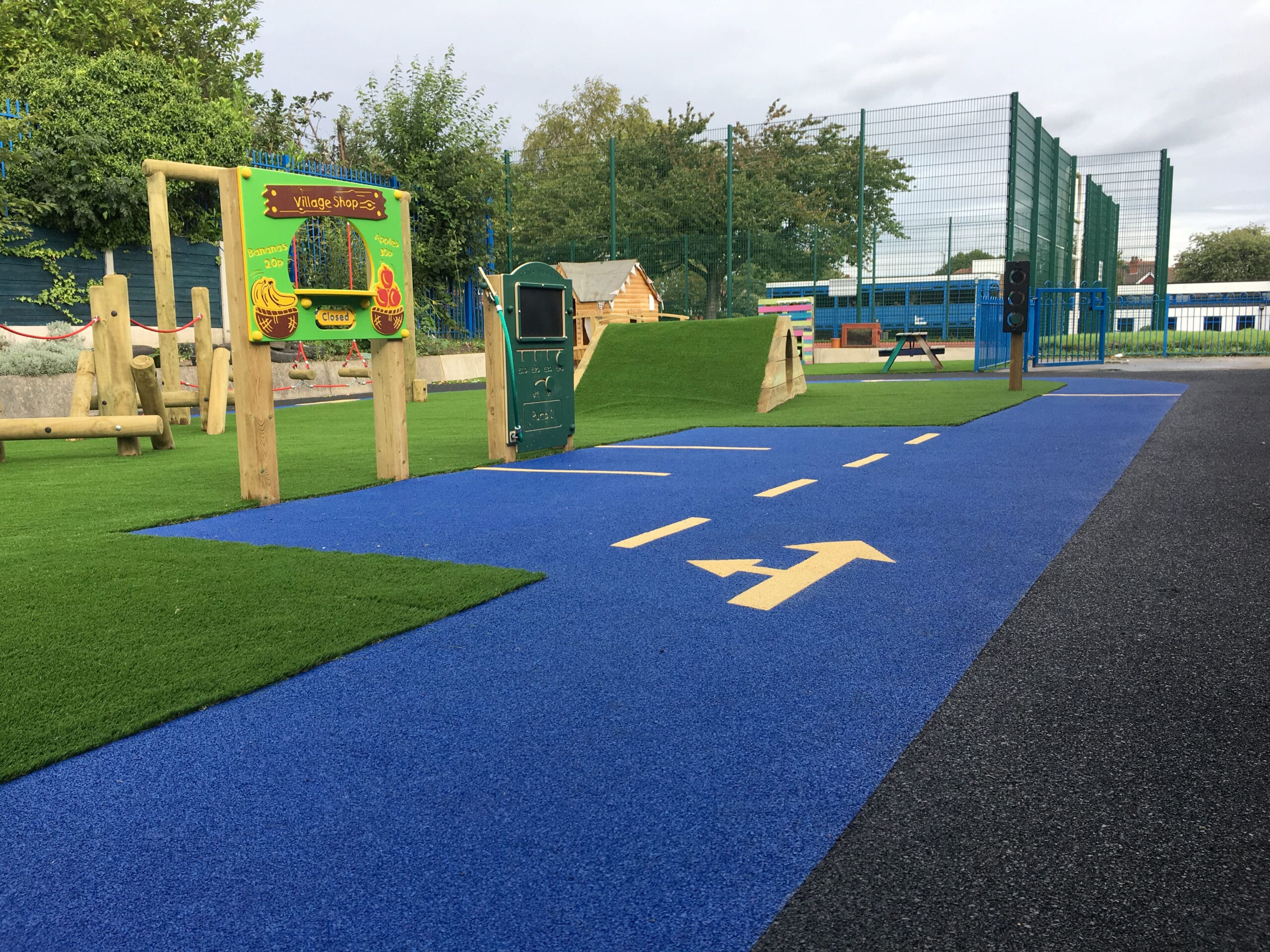
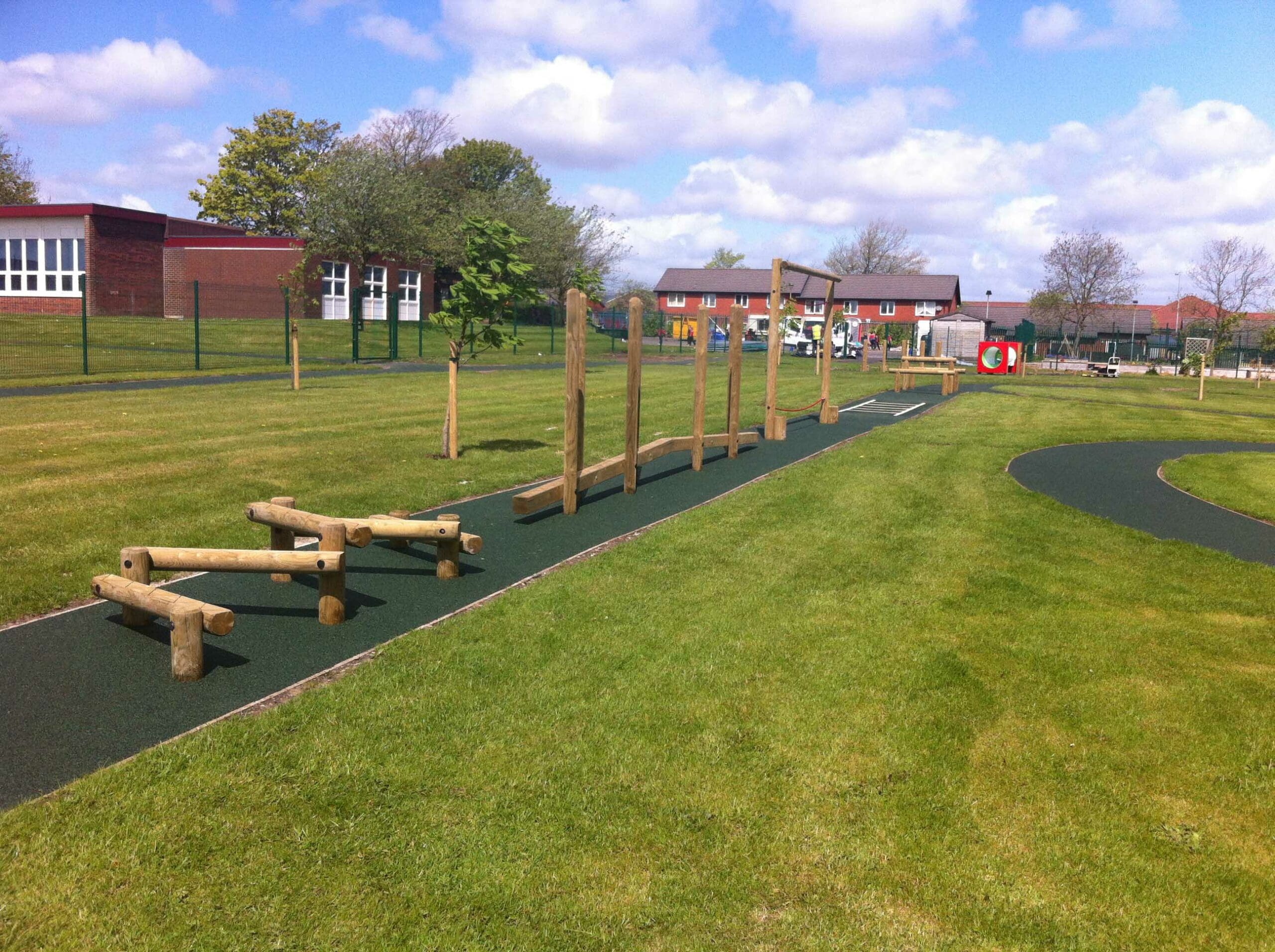
Suitable playground features for KS1 include a mix of low- and high-level fitness and adventure trails, along with tunnel mounds with slides or log ramps to encourage movement and exploration. MUGAs, interactive bike tracks, and activity balance boxes further support coordination, confidence, and active play.
Favourites from our range for KS1:
KS2 Playground Considerations (Ages 7–11)
Key Needs
- Physically challenging and adventurous equipment
- Social gathering areas for collaboration and teamwork
- Opportunities for problem-solving, leadership, and imaginative play
- Space to encourage independence and positive risk-taking
Older children benefit from designs that balance physical challenge with creativity and teamwork.
Promotes strength, resilience, leadership, and teamwork.
Supports emotional wellbeing through physical challenge and social play.
Suitable Playground Features for KS2:
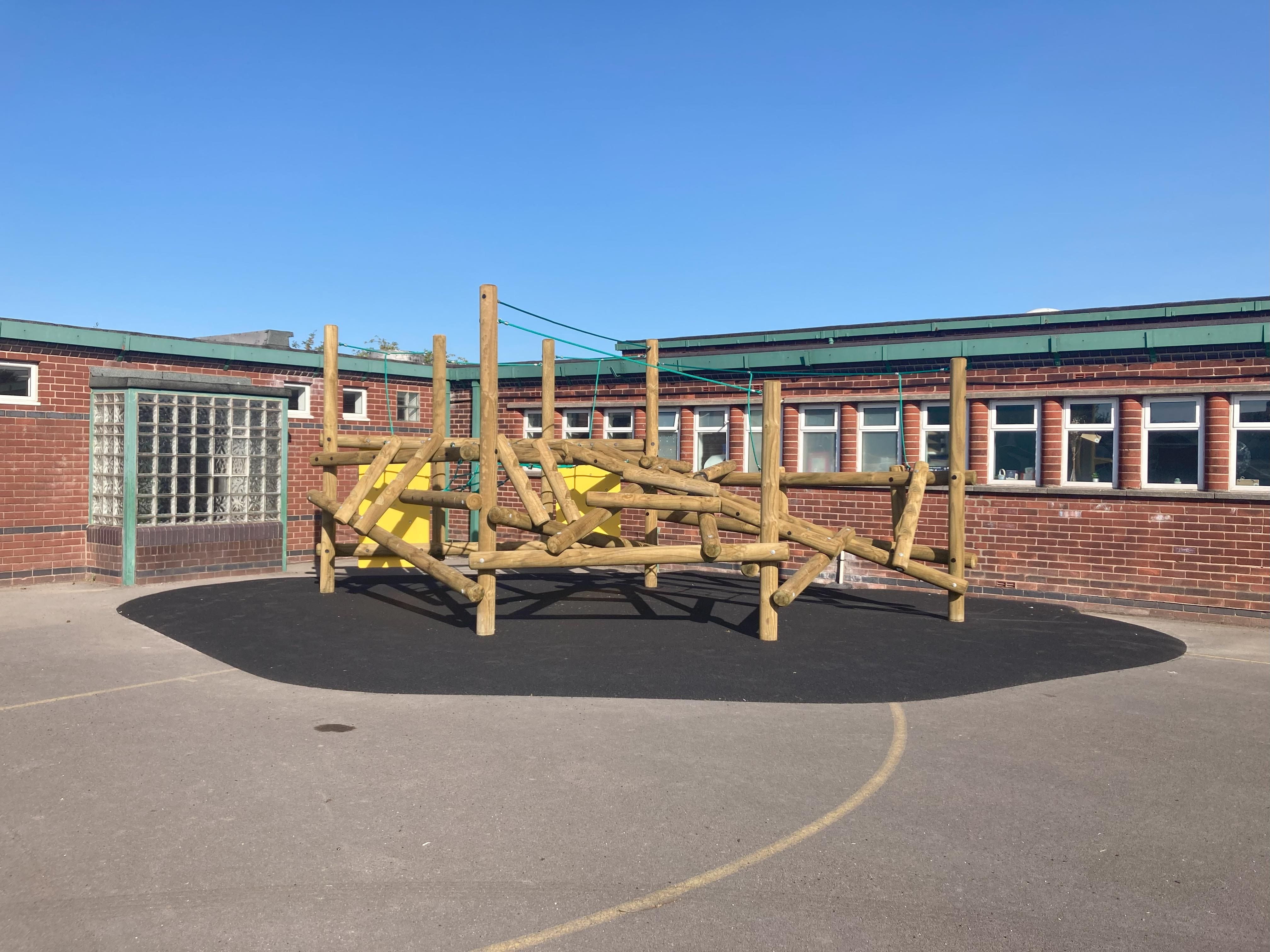
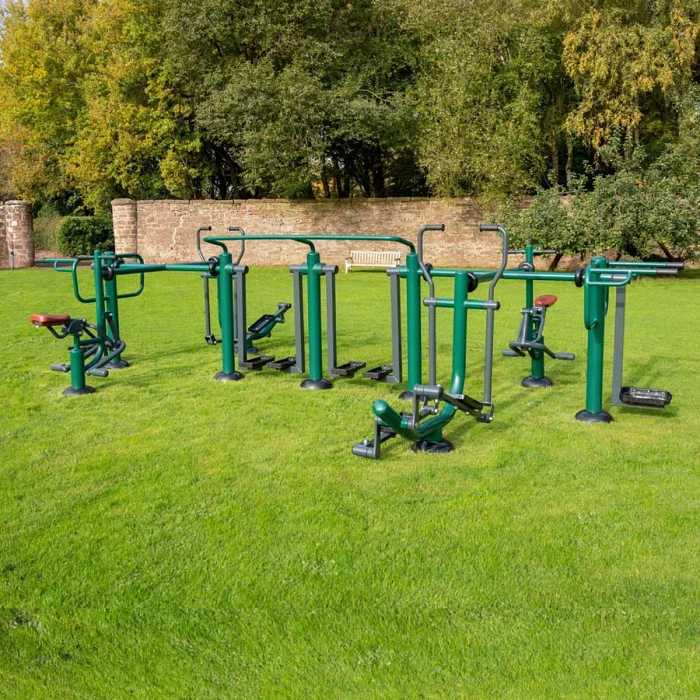
Suitable playground features for KS2 include more challenging clamber stacks and climbing structures, rock walls, and multi-level fitness trails or obstacle courses to build strength and resilience. Gym equipment, MUGAs, and dedicated social and reflection areas also support teamwork, independence, and wellbeing.
Favourites from our range for KS2:

Design Tips to Make Play Zones Work Together
- Zoning: Separate areas for EYFS, KS1, and KS2 children ensure the right challenge for each age and encourage positive interactions between different age groups.
- Safety Surfaces: Use appropriate surfacing under equipment to reduce injury risks and support active play.
- Supervision: Ensure clear sight lines and paths to allow staff to monitor children effectively.
- Inclusive Elements: Include features that can be enjoyed by children of all abilities to promote inclusion.
By tailoring playground design to different age groups, schools can create spaces that support development, encourage engagement, and foster positive play behaviours from early years through to the upper primary.

